The short answer
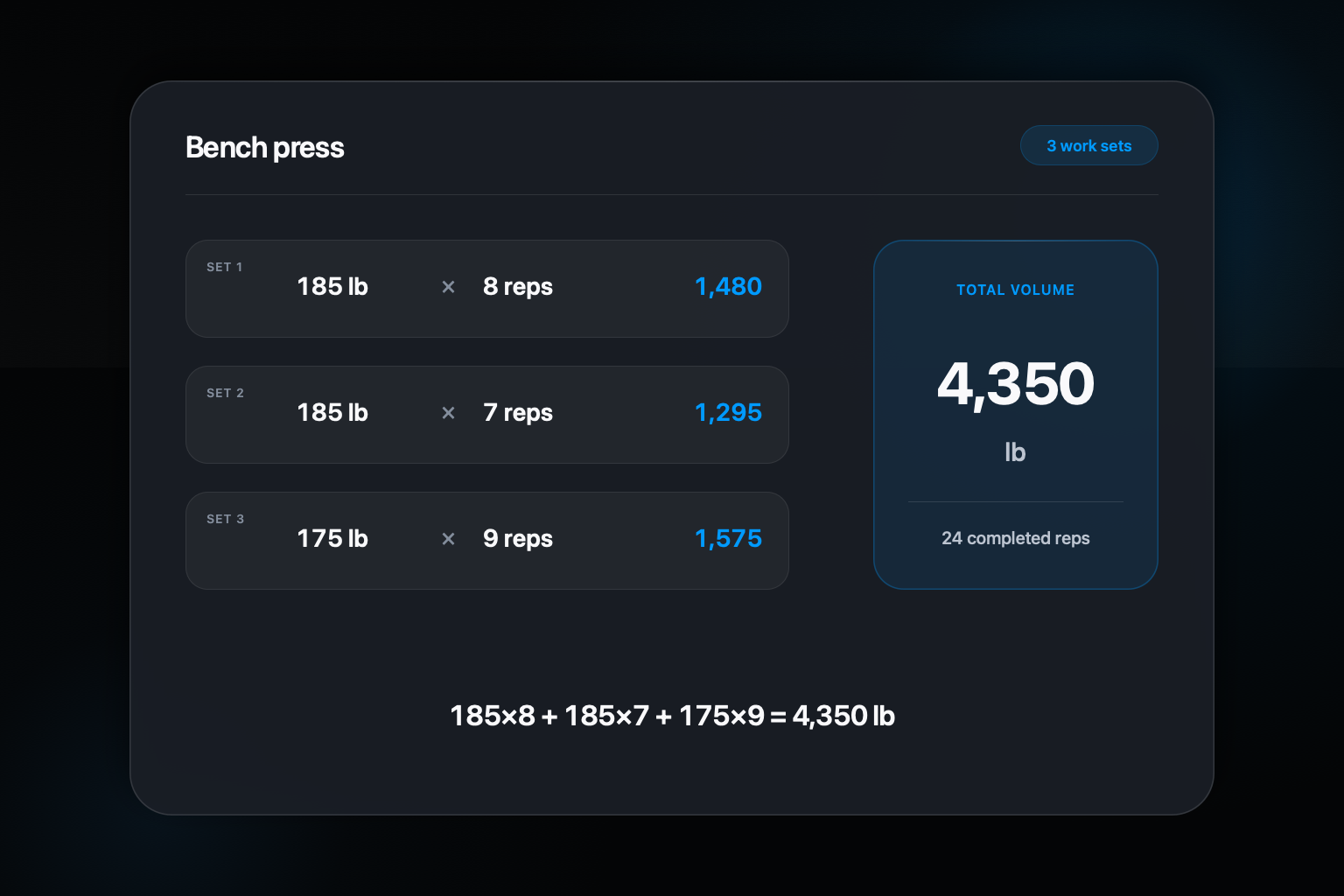
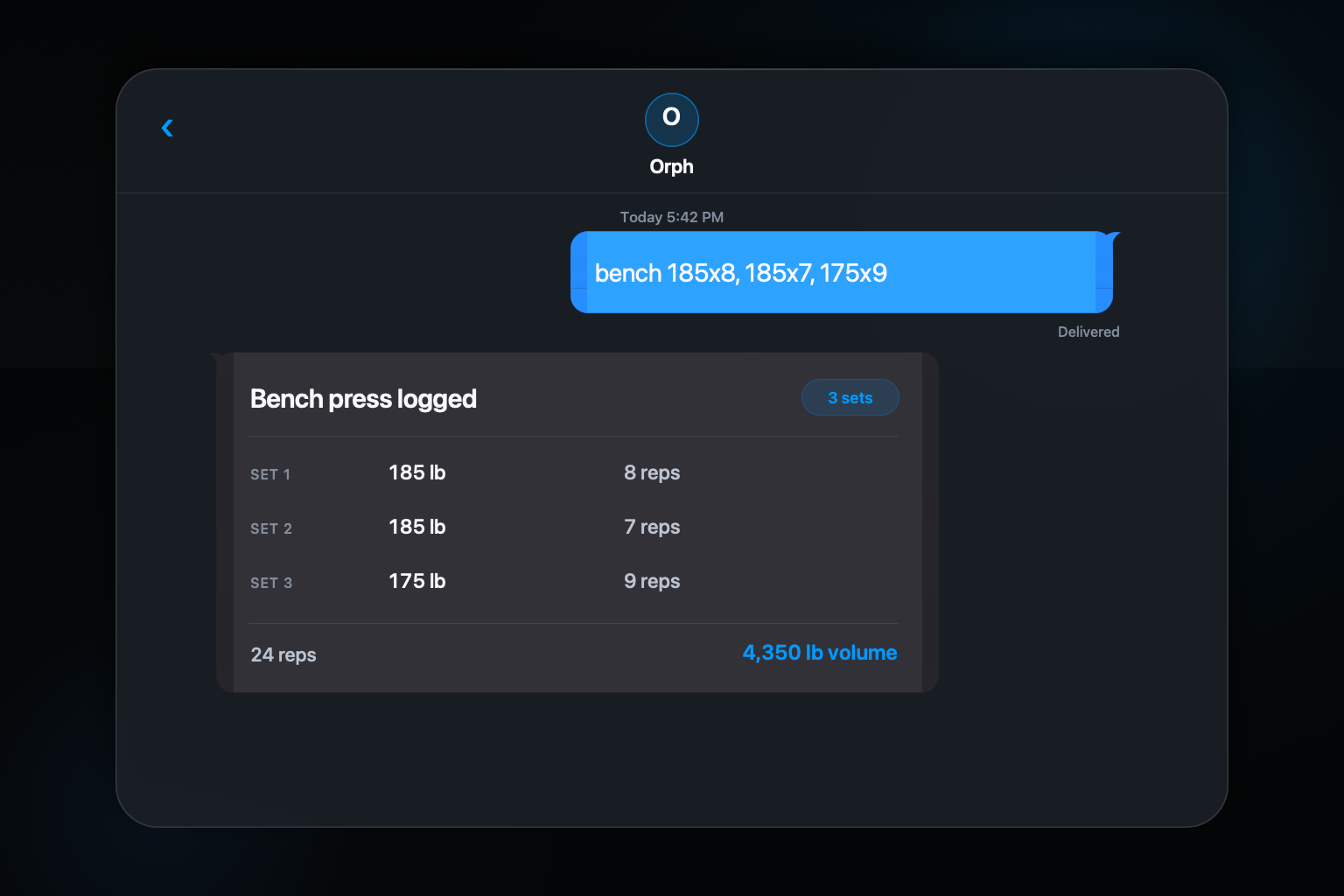
To track workouts by text, send the exercise name, load, and reps as soon as the set is done. A message such as bench 185x8, 185x7, 175x9 captures the part you are most likely to forget, while a short note such as last set slow preserves context for next time.
The useful record is not the message itself. It is the structured history behind it: which exercise you performed, when you performed it, what each set contained, and how the session compares with a prior session. Orph is designed to accept the quick message in iMessage and organize those details for review in its companion iPhone app.
Step by step: a simple way to do it
- 01
Name the exercise
Use the exercise name you will recognize later, such as bench press, back squat, or cable row.
- 02
Add load and reps
Write each work set in compact form. Separate sets with commas so the record keeps the actual changes in load or reps.
- 03
Include the note that changes the meaning
Add a short detail when it matters, such as paused reps, a machine variation, or that the final set felt unusually slow.
- 04
Read the confirmation
Check the reply while the set is fresh. If the parsed exercise or number is wrong, correct it immediately instead of repairing the log days later.
Record the set before the details blur
A workout log fails when entering the data takes longer than the rest period. Searching an exercise library, opening a routine, and tapping through separate fields can be useful for planning, but it is a lot of ceremony when you only need to preserve what happened. Text shorthand keeps the capture step small. You can write one set at a time or send the whole exercise when you finish it.
Consistency matters more than perfect notation. Pick one pattern for exercise names and use it repeatedly. If incline db press is how you think about the movement, keep that name instead of alternating among several labels. Stable names make later comparisons cleaner, whether a person or software is organizing the history.
Keep enough context to make the log useful
At minimum, a strength log needs the date, exercise, load, and completed reps. Set count can be explicit, as in 225 5x5, or represented by listing each set. Add a note when the variation, range of motion, tempo, or effort was different enough that a direct comparison would be misleading. For timed or distance work, record the duration or distance that fits the activity instead of forcing it into a lifting format.
Do not turn every sensation into a data field. A short phrase such as left shoulder irritated can help you remember the session, but a tracking tool cannot diagnose pain or decide whether an exercise is safe. Stop and seek qualified care when a symptom needs medical attention.
Compare like with like
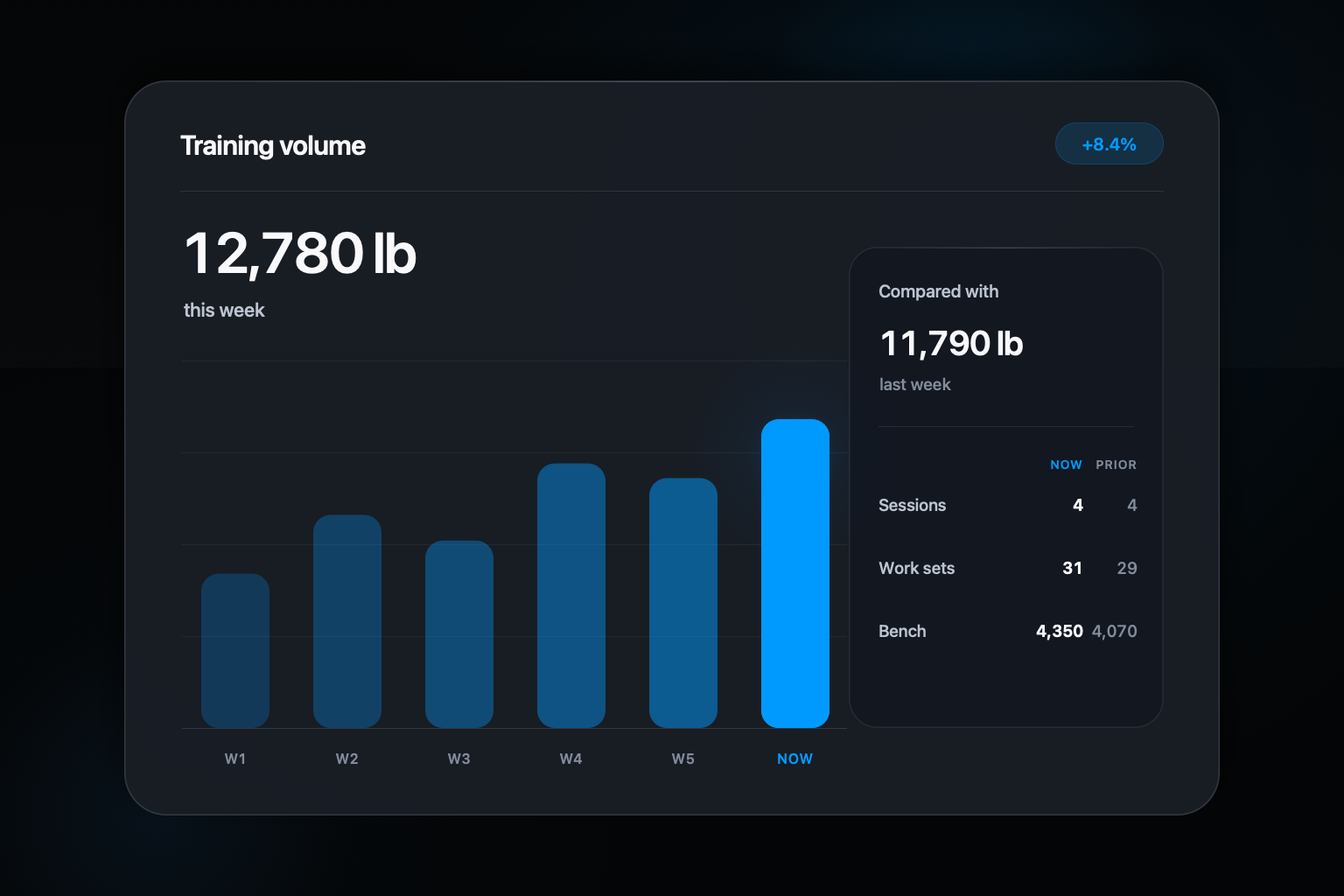
The next useful question is usually simple: what did I do the last time I trained this movement? Compare the same exercise variation under reasonably similar conditions. More load, more completed reps, another quality set, or a cleaner execution can each matter, but no single number tells the whole story.
Orph's message flow is built to return immediate logging feedback and keep the underlying set history available for later review. That separates capture from analysis. During the workout you send the facts. When you have time, you can look at session history, volume, and patterns without rebuilding the workout from memory.
Use a format you will still use on a busy day
The best workout notation is the one you can enter with chalk on your hands and a timer running. Start with exercise, load, and reps. Add only the details that will change a future decision. If your logging system demands a perfectly completed form for every warm-up and accessory set, it may create a cleaner database but a less complete real-world record.
Text also gives you a natural correction path. Reply with the corrected number or exercise while the context is still visible in the conversation. A structured log should preserve the correction rather than forcing you to accept a bad parse. That feedback loop is a practical difference between merely saving notes and maintaining a workout history.
Common questions about this approach
Do I need a special workout-text format?
No rigid syntax is required for the Orph concept. Clear exercise names and familiar patterns such as 185x8 make the message easier to interpret, and the confirmation gives you a chance to correct it.
Should I log warm-up sets?
Log them when they matter to the comparison you want to make. The important part is to label or handle them consistently so warm-ups do not silently inflate the work-set totals you review.
Sources and further reading
Orph product behavior comes from the current site, Privacy Policy, and Terms. General background is supported by: